Embodied Grocery Shopping Experience

Improving 40 million people in wheelchairs' in-store grocery shopping experience

Role

User Experience Designer

Industry

Accessibility and Shopping

Duration

3 weeks

A person on a wheelchair, grossary shopping
Team: Me, Dharam Lokhandwala and Chia-Yun Yen (Harper)
Personal belief: I believe that disability is not a single person's issue, but is everyone's problem.


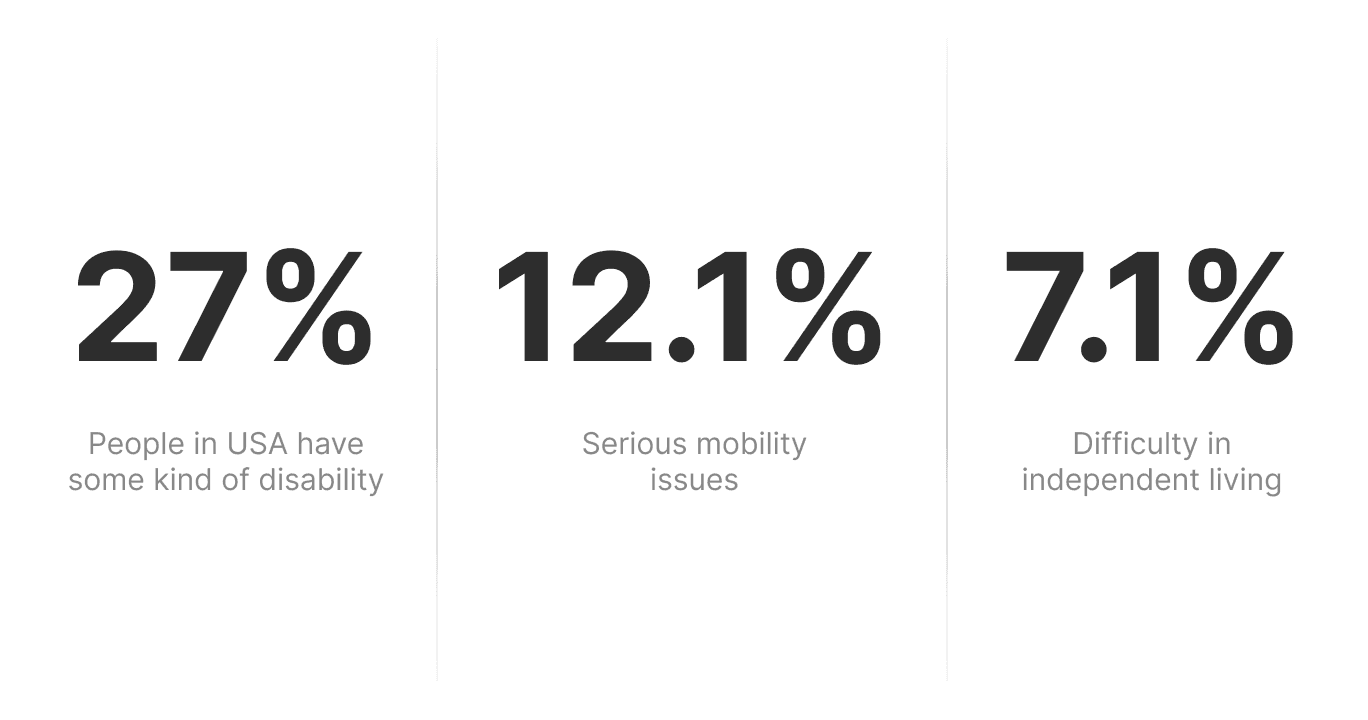
A significant portion of the population in the United States consists of individuals with disabilities. Approximately 27% of Americans have some type of handicap, with 12.1% (40,327,794) experiencing severe mobility issues. Additionally, 7.1% of these individuals face challenges in living independently. While there are countless products available to enhance the physical convenience of wheelchair users, our objective was to provide them with a sense of fulfillment during grocery shopping, promoting independence and inclusivity.
Primary Research

The Initial Puzzle

🤔 How might the in-store experience for wheelchair users be improved?

Early Research

We carried out standard observations at a variety of Bloomington, Indiana, grocery stores to peel back the layers of this challenge.

We watched them get a sense of what persons with both temporary and permanent mobility difficulties experienced when they went shopping.
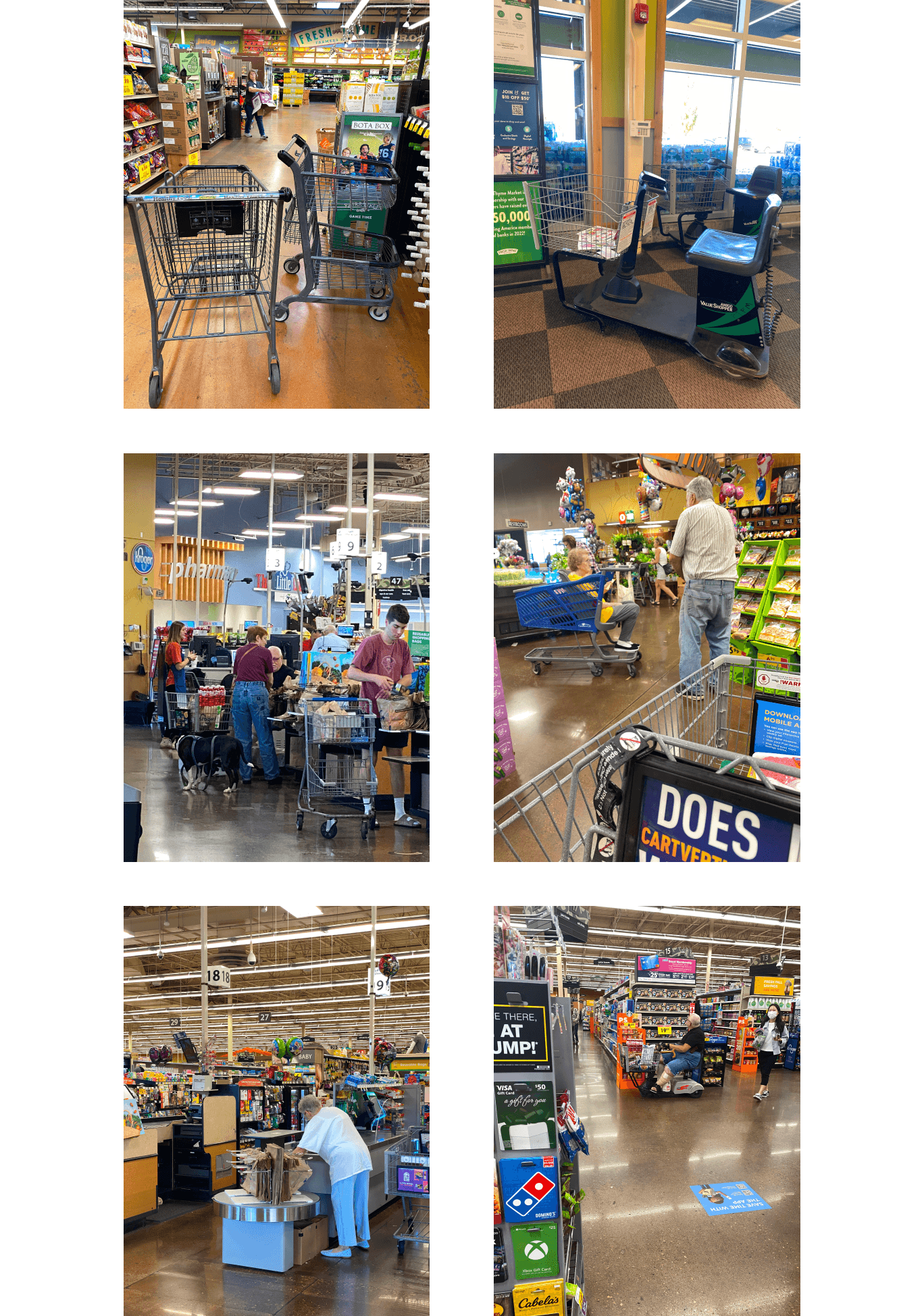
Images taken during conventional observations are available here, along with the observation technique and insights.

  • Initiated the project with comprehensive market research, analyzing competitors and identifying gaps in the social dining app market. Conducted surveys and focus groups with potential users to understand their needs, preferences, and pain points regarding dining out and socializing.

  • Synthesized research findings to develop a clear value proposition for the app, focusing on unique features such as group dining options, personalized restaurant recommendations, and event planning capabilities.


We made use of Affinity Mapping and grouped observations according to how similar the situations were.
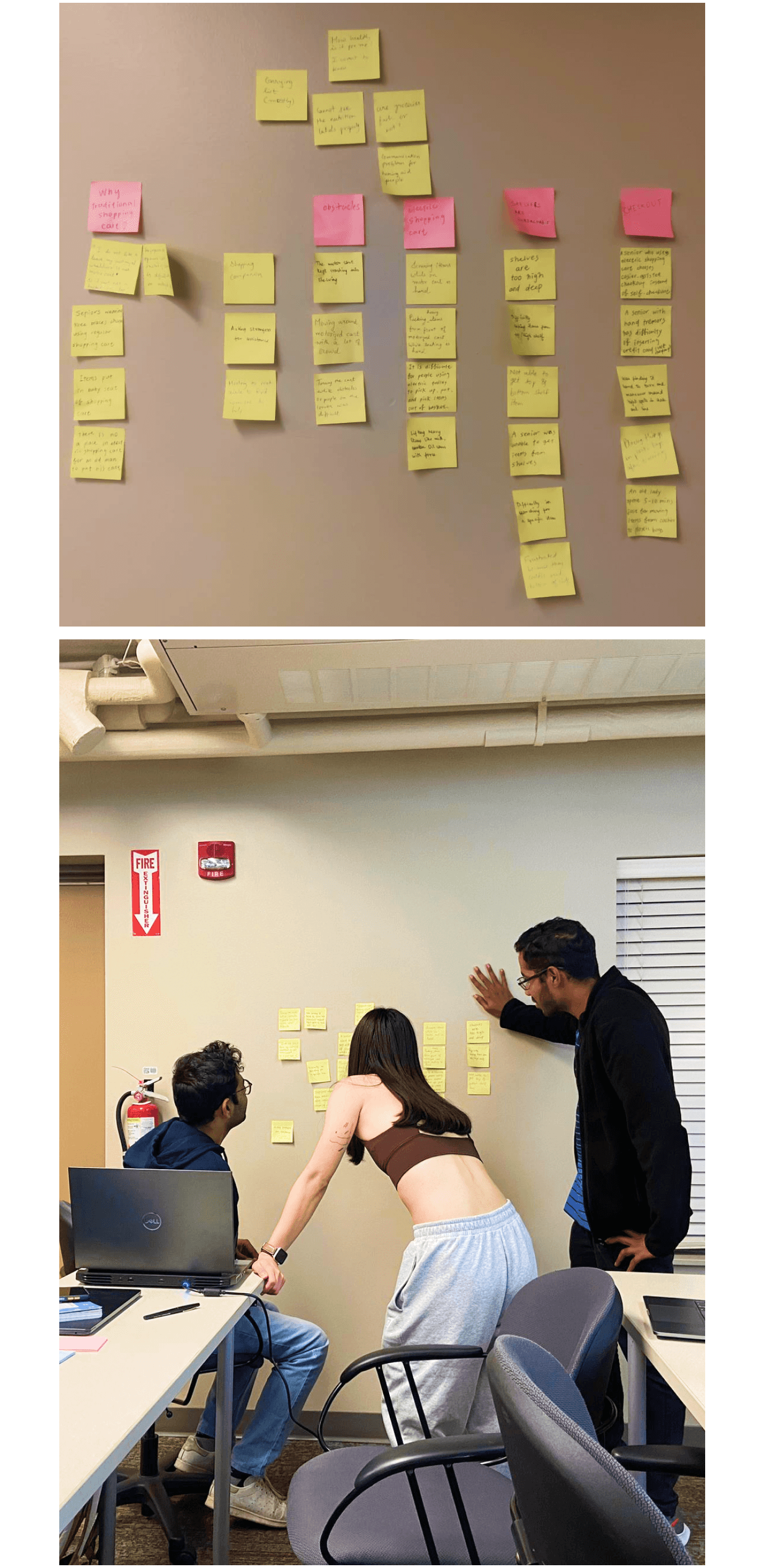
Highlighted Issues


Secondary Research

To further explore the complexities of this issue area, we used desk research in addition to observations. We looked into:

  • Reddit and Quora forums

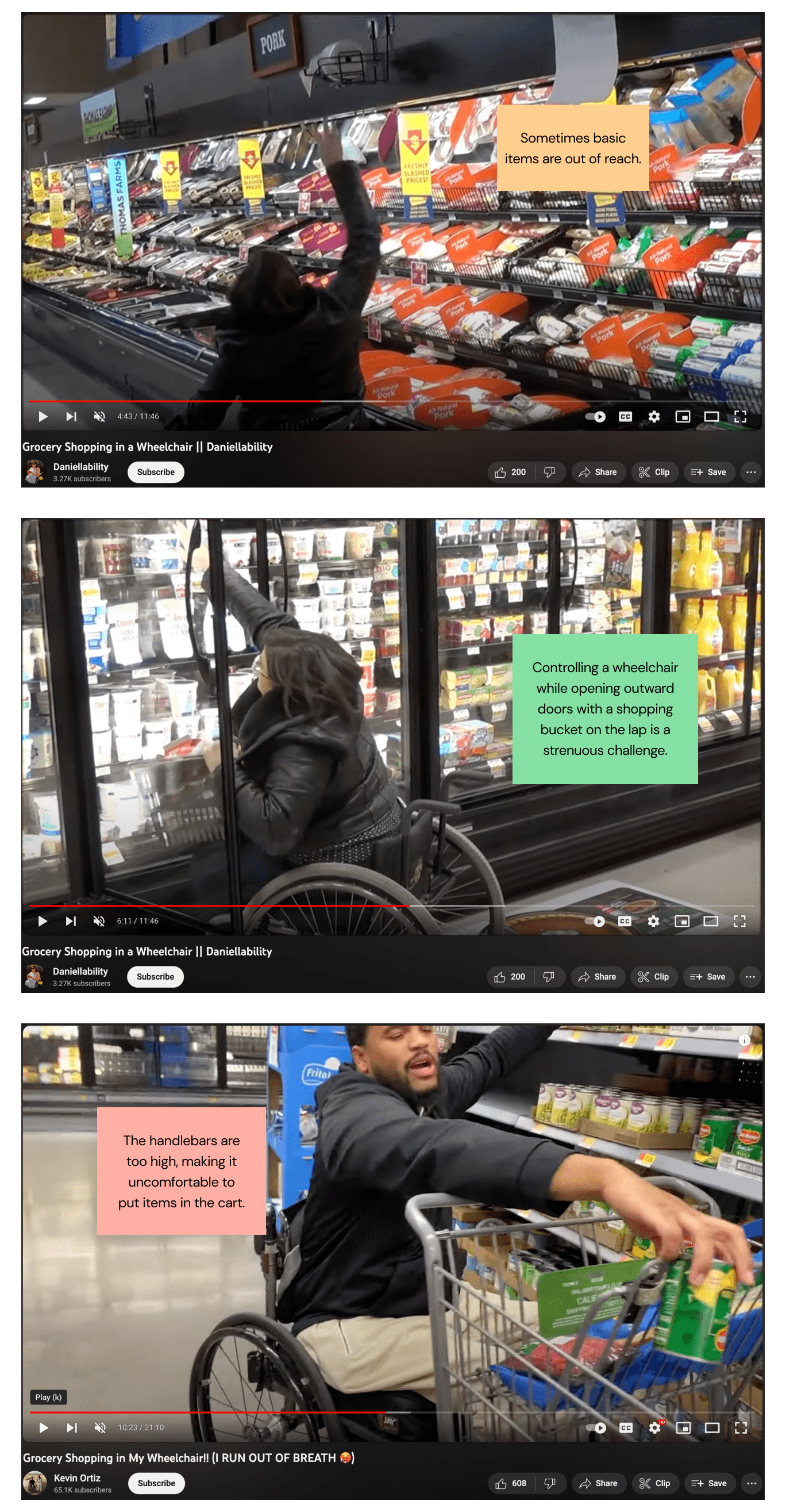
  • YouTube vlogs

  • Digital ethnography

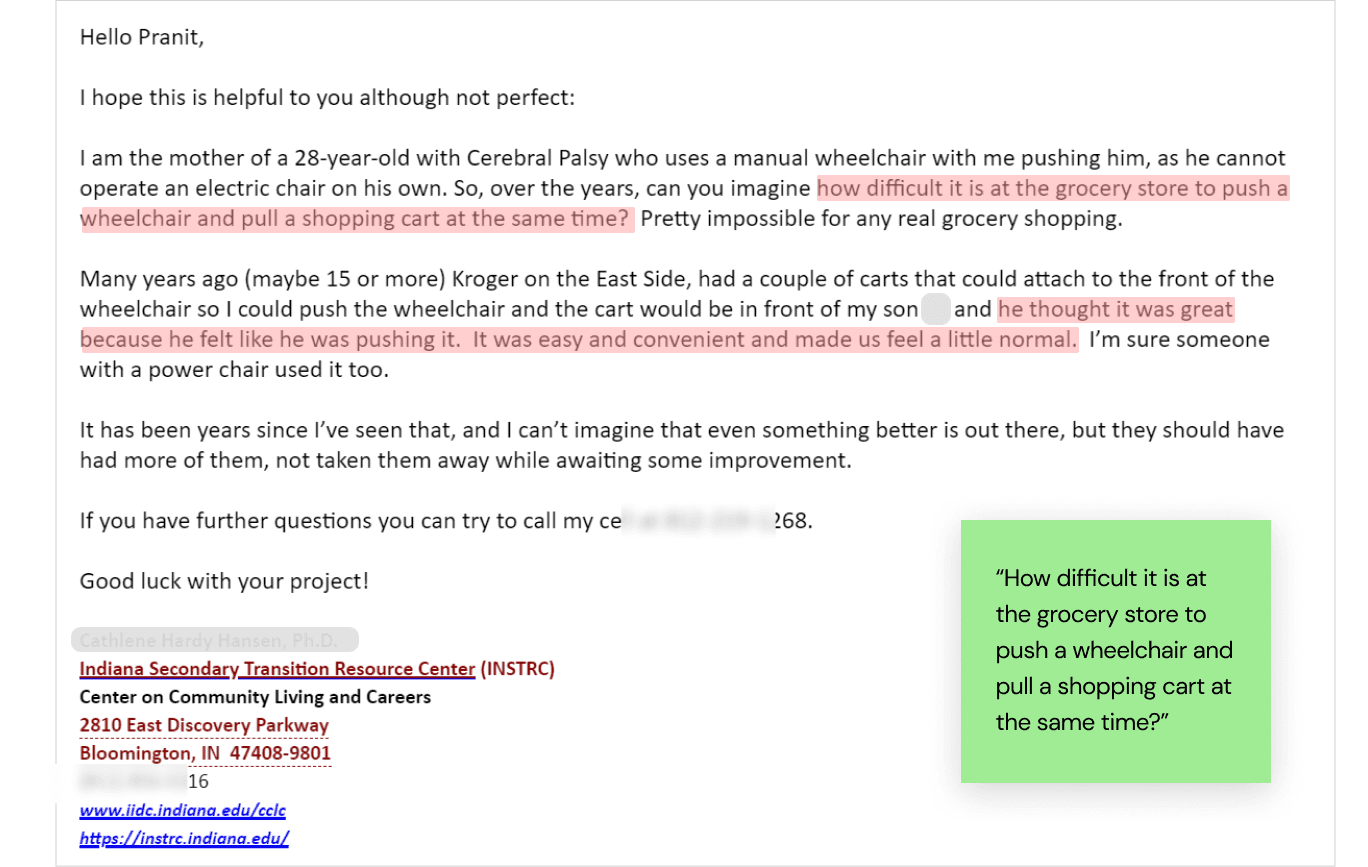
Fig: Email from mother of 28-year-old with Cerebral Palsy


Other comments that demand focus
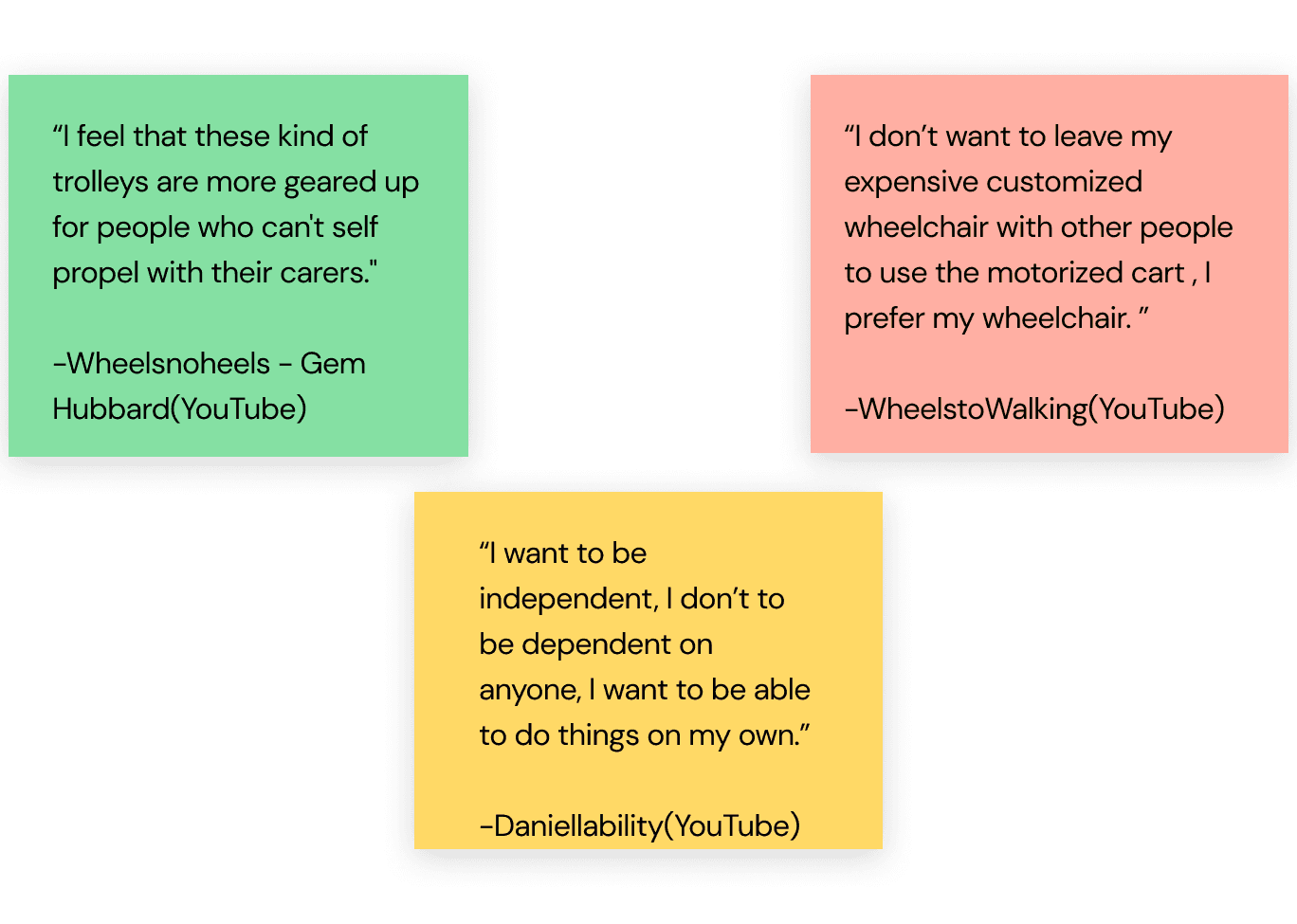
Essential requirements of wheelchair users
  • Due to their mistrust of leaving their pricey wheelchairs with strangers, wheelchair users prefer to shop in their chairs personally (instead of using the motorized cart).

  • Wheelchair users must lay a bucket on their lap to avoid using a large trolley for a limited number of products.

  • Wheelchair users must exert significant force to push the cart since its weight might occasionally make it difficult to handle.


Sketching Solutions

Visual Thinking: Unveiling Thoughts and Ideas
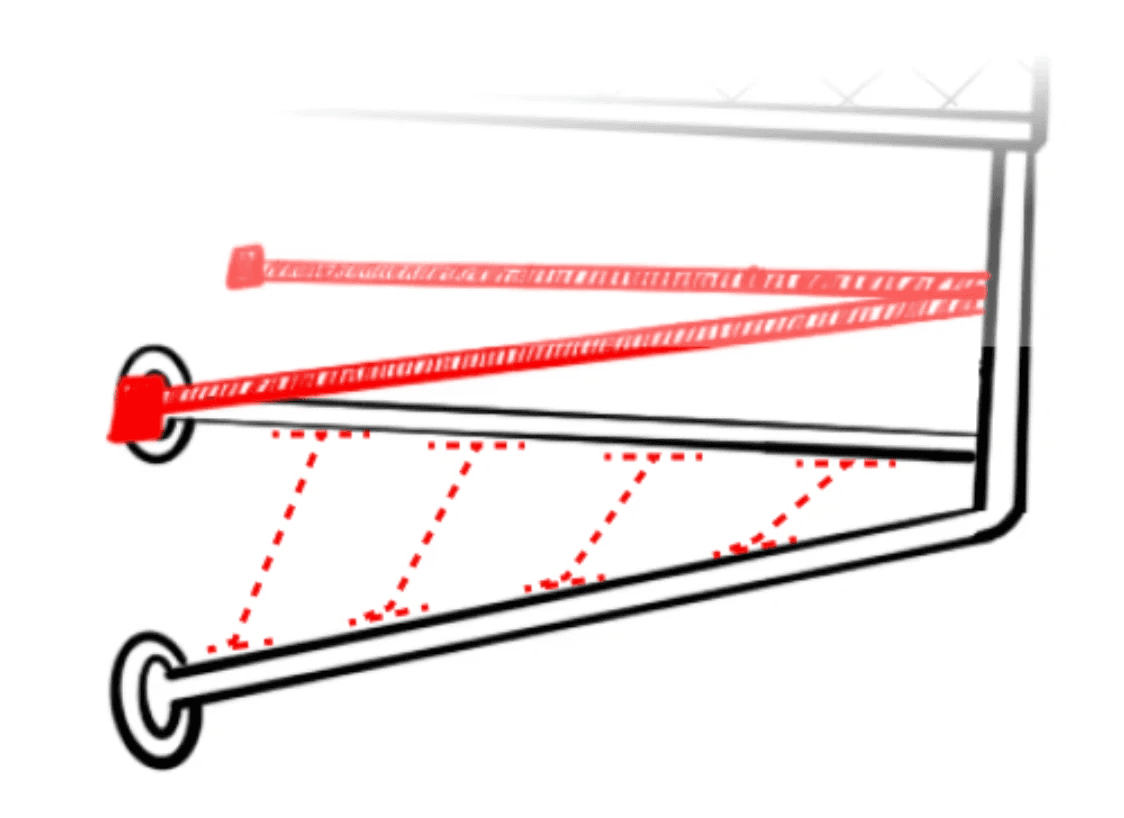
Exploration 1: Attachable rods on a normal cart
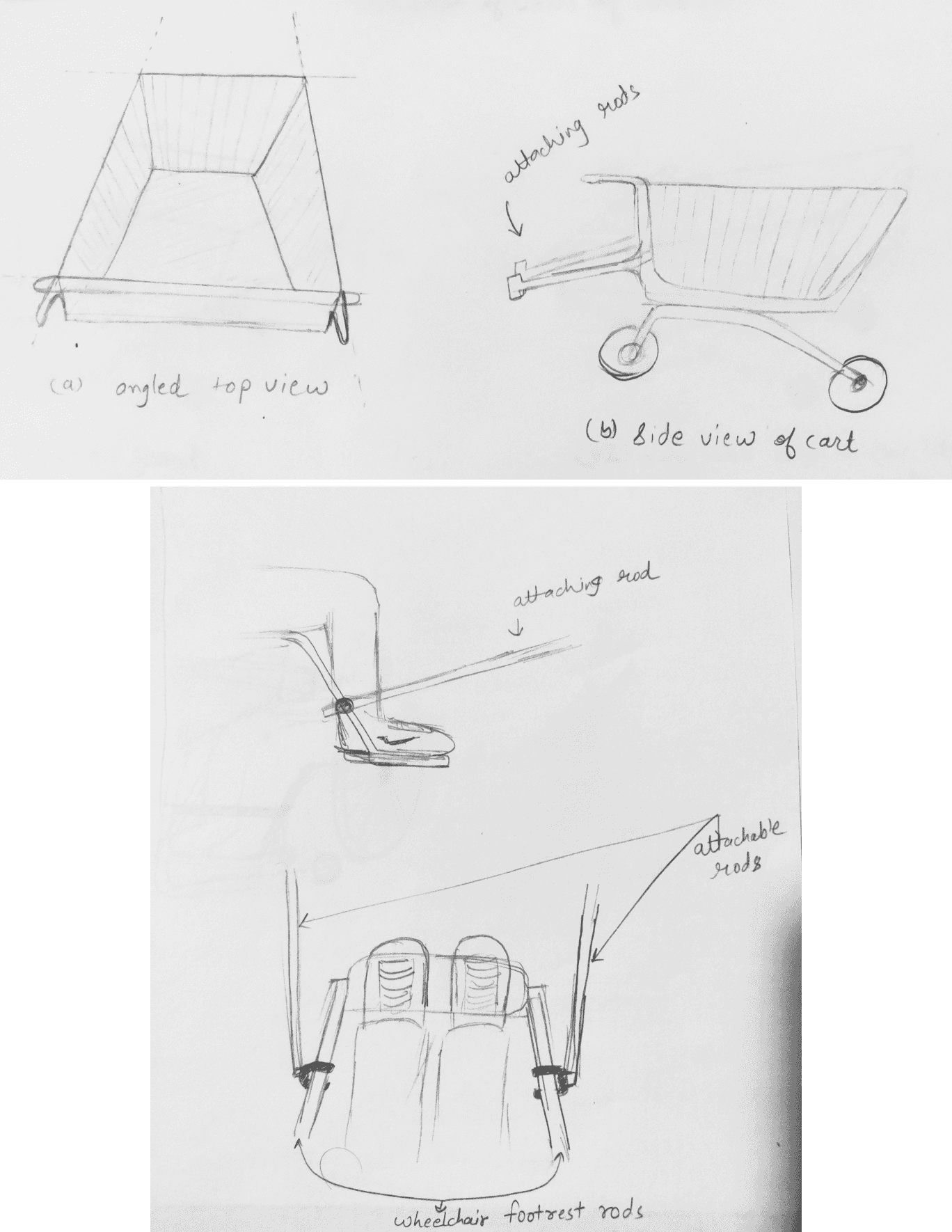
Fig: Exploring the idea of attaching rods to a traditional cart


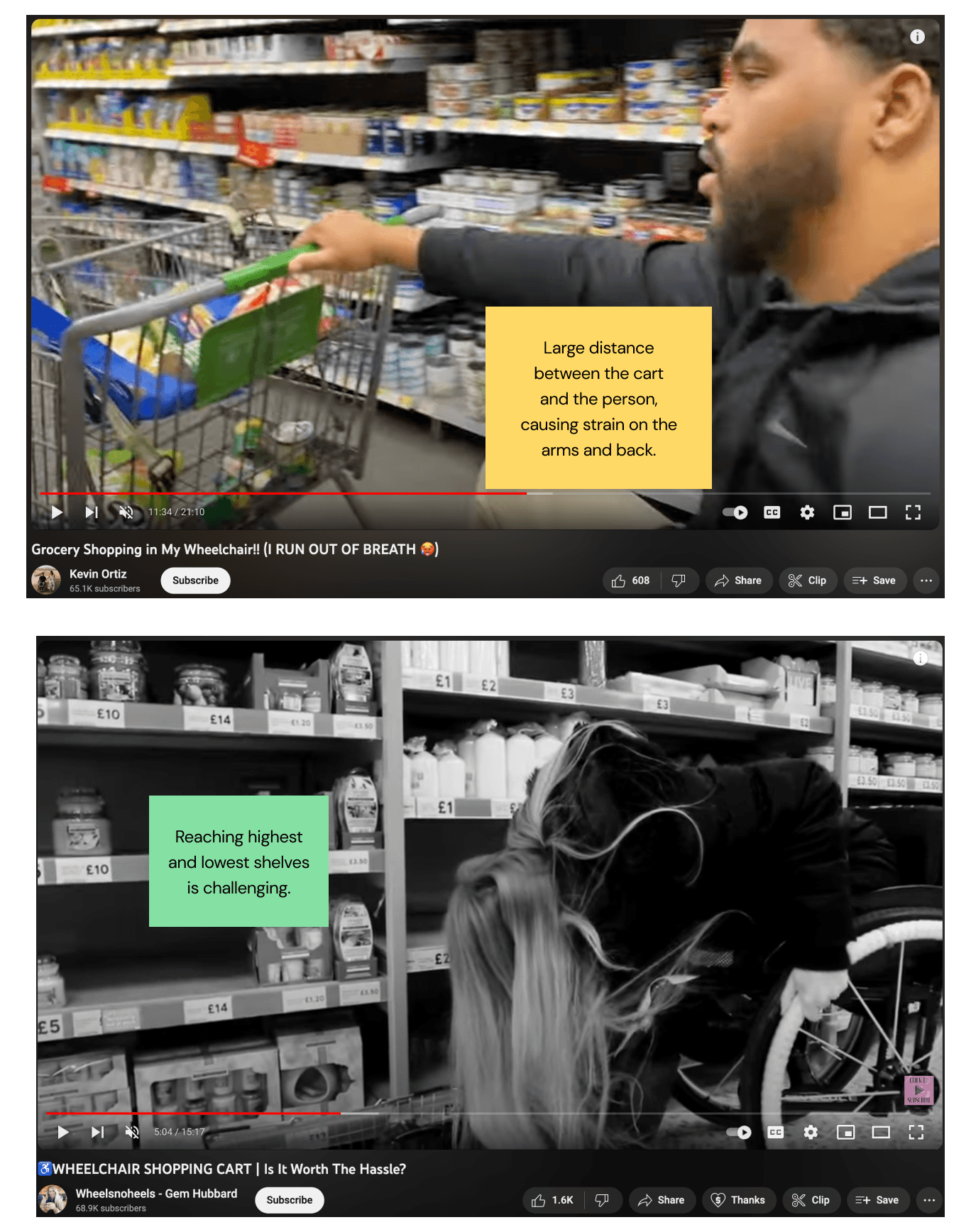
Design issues: The considerable distance between a person using a wheelchair and a shopping cart can hinder their ability to reach and retrieve items easily.
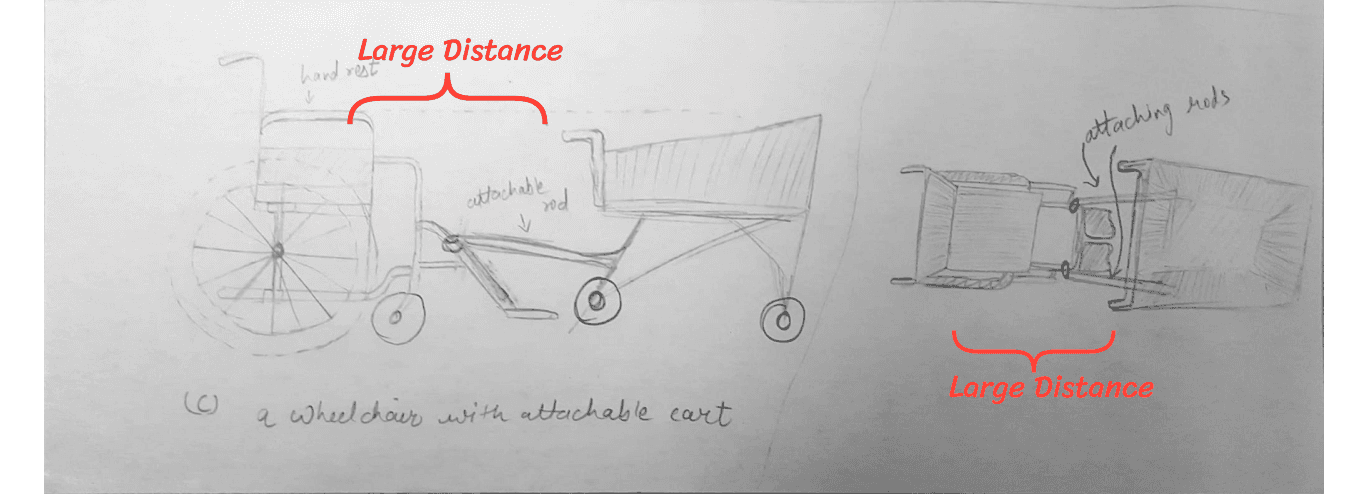
Fig: Large distance between the cart and the person


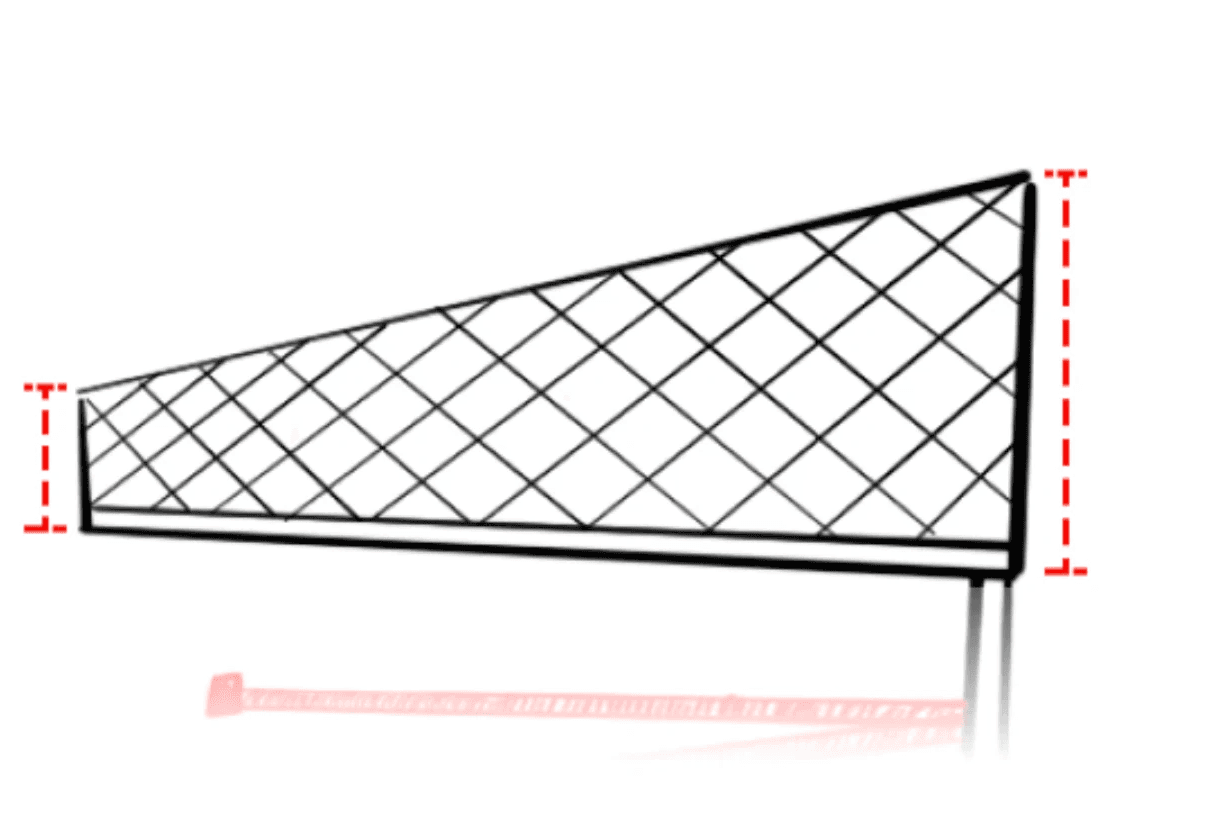
Fixing the problem: Lowering height & minimizing the distance
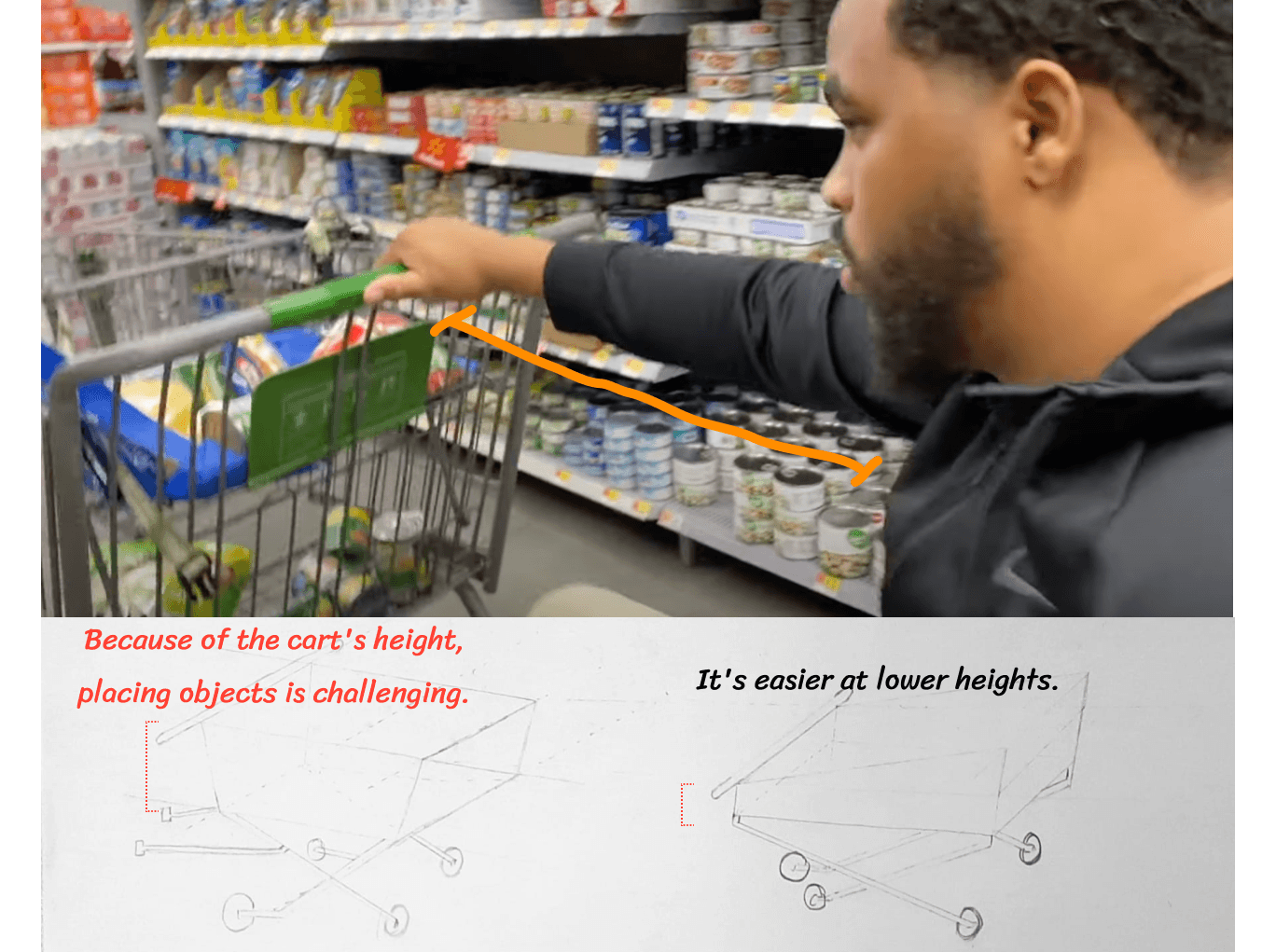

How did we cut down on the distance?
A cart that slides to the top
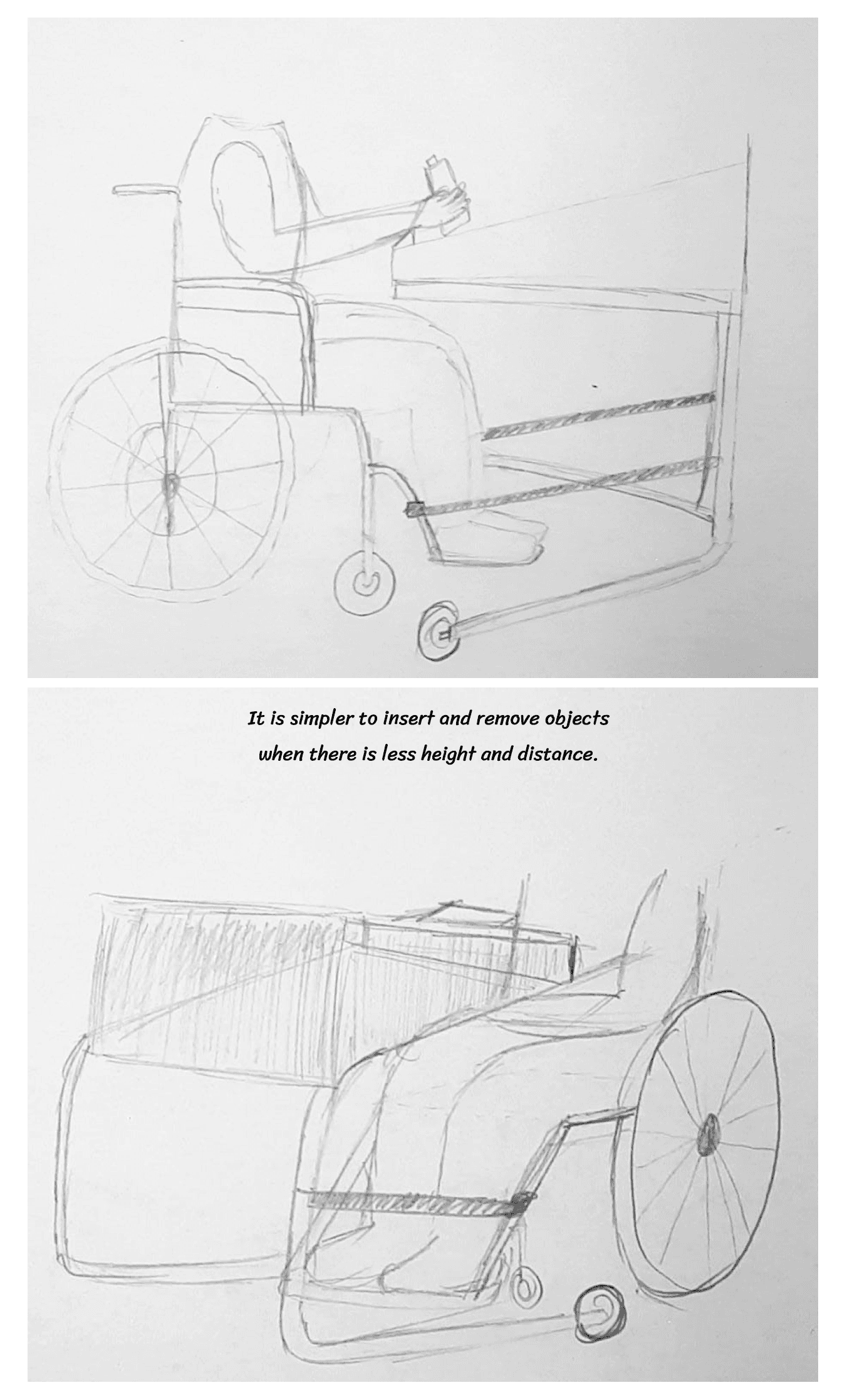
👉 During self-checkout, it can be difficult to put things in the cart and take them out again, especially if you're in a wheelchair. What if the cart took care of everything?


Queue-less, Attachable, and Smart Carts for Wheelchair Users
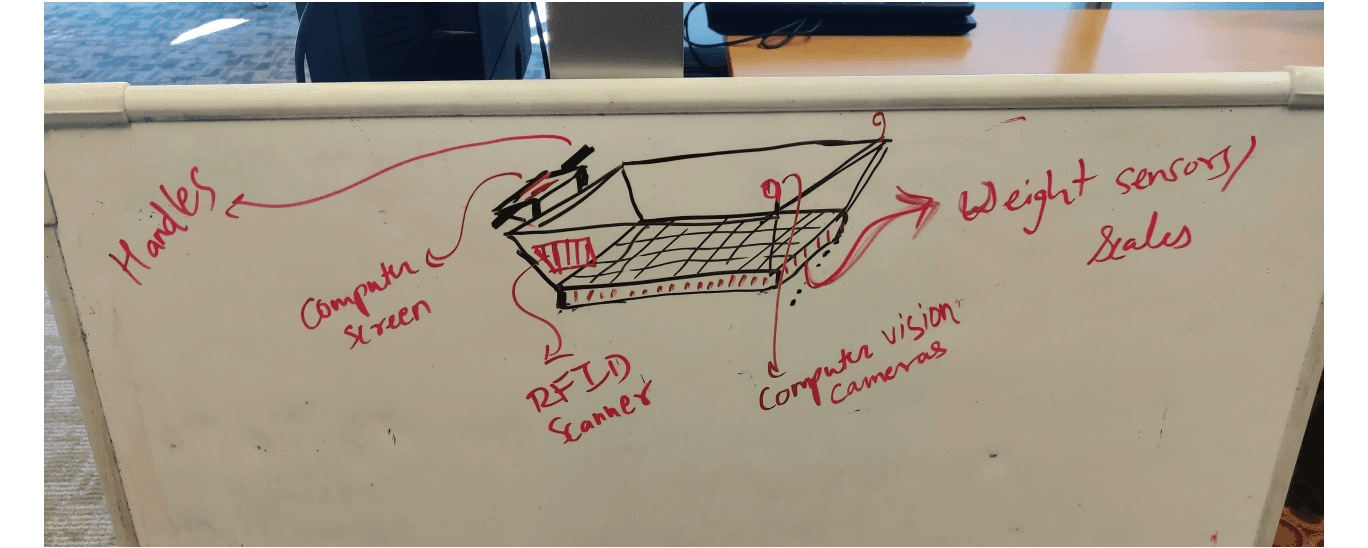
Fig: Ideation of smart-carts

The more weight and capacity a cart has, the less maneuverable it gets. This implies that it takes even more effort for people to move the wheelchair and the filled cart. To solve this issue, a function like power assistance could be a useful addition.

Team: Me, Dharam Lokhandwala and Chia-Yun Yen (Harper)
Personal belief: I believe that disability is not a single person's issue, but is everyone's problem.


A significant portion of the population in the United States consists of individuals with disabilities. Approximately 27% of Americans have some type of handicap, with 12.1% (40,327,794) experiencing severe mobility issues. Additionally, 7.1% of these individuals face challenges in living independently. While there are countless products available to enhance the physical convenience of wheelchair users, our objective was to provide them with a sense of fulfillment during grocery shopping, promoting independence and inclusivity.

Primary Research

The Initial Puzzle

🤔 How might the in-store experience for wheelchair users be improved?

Early Research

We carried out standard observations at a variety of Bloomington, Indiana, grocery stores to peel back the layers of this challenge.

We watched them get a sense of what persons with both temporary and permanent mobility difficulties experienced when they went shopping.

Images taken during conventional observations are available here, along with the observation technique and insights.

  • Initiated the project with comprehensive market research, analyzing competitors and identifying gaps in the social dining app market. Conducted surveys and focus groups with potential users to understand their needs, preferences, and pain points regarding dining out and socializing.

  • Synthesized research findings to develop a clear value proposition for the app, focusing on unique features such as group dining options, personalized restaurant recommendations, and event planning capabilities.


We made use of Affinity Mapping and grouped observations according to how similar the situations were.
Highlighted Issues


Secondary Research

To further explore the complexities of this issue area, we used desk research in addition to observations. We looked into:

  • Reddit and Quora forums

  • YouTube vlogs

  • Digital ethnography

Fig: Email from mother of 28-year-old with Cerebral Palsy


Other comments that demand focus
Essential requirements of wheelchair users
  • Due to their mistrust of leaving their pricey wheelchairs with strangers, wheelchair users prefer to shop in their chairs personally (instead of using the motorized cart).

  • Wheelchair users must lay a bucket on their lap to avoid using a large trolley for a limited number of products.

  • Wheelchair users must exert significant force to push the cart since its weight might occasionally make it difficult to handle.


Sketching Solutions

Visual Thinking: Unveiling Thoughts and Ideas
Exploration 1: Attachable rods on a normal cart

Fig: Exploring the idea of attaching rods to a traditional cart


Design issues: The considerable distance between a person using a wheelchair and a shopping cart can hinder their ability to reach and retrieve items easily.

Fig: Large distance between the cart and the person


Fixing the problem: Lowering height & minimizing the distance


How did we cut down on the distance?
A cart that slides to the top

👉 During self-checkout, it can be difficult to put things in the cart and take them out again, especially if you're in a wheelchair. What if the cart took care of everything?


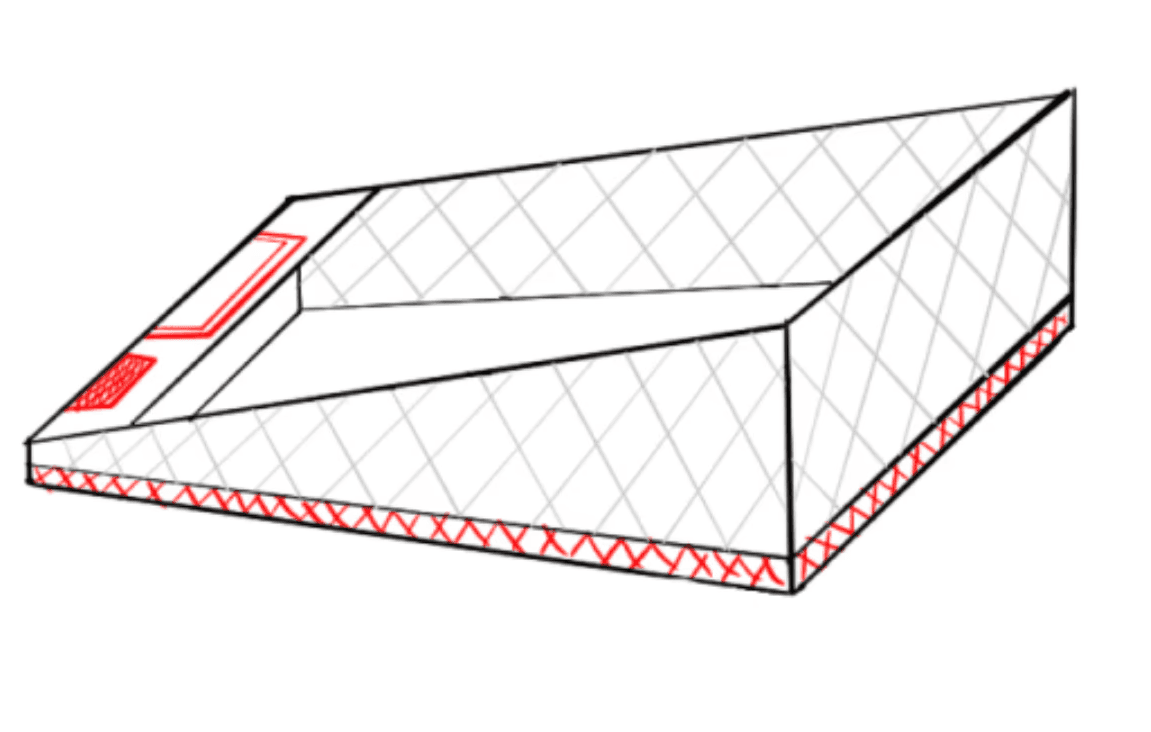
Queue-less, Attachable, and Smart Carts for Wheelchair Users

Fig: Ideation of smart-carts

The more weight and capacity a cart has, the less maneuverable it gets. This implies that it takes even more effort for people to move the wheelchair and the filled cart. To solve this issue, a function like power assistance could be a useful addition.

Testing Concepts

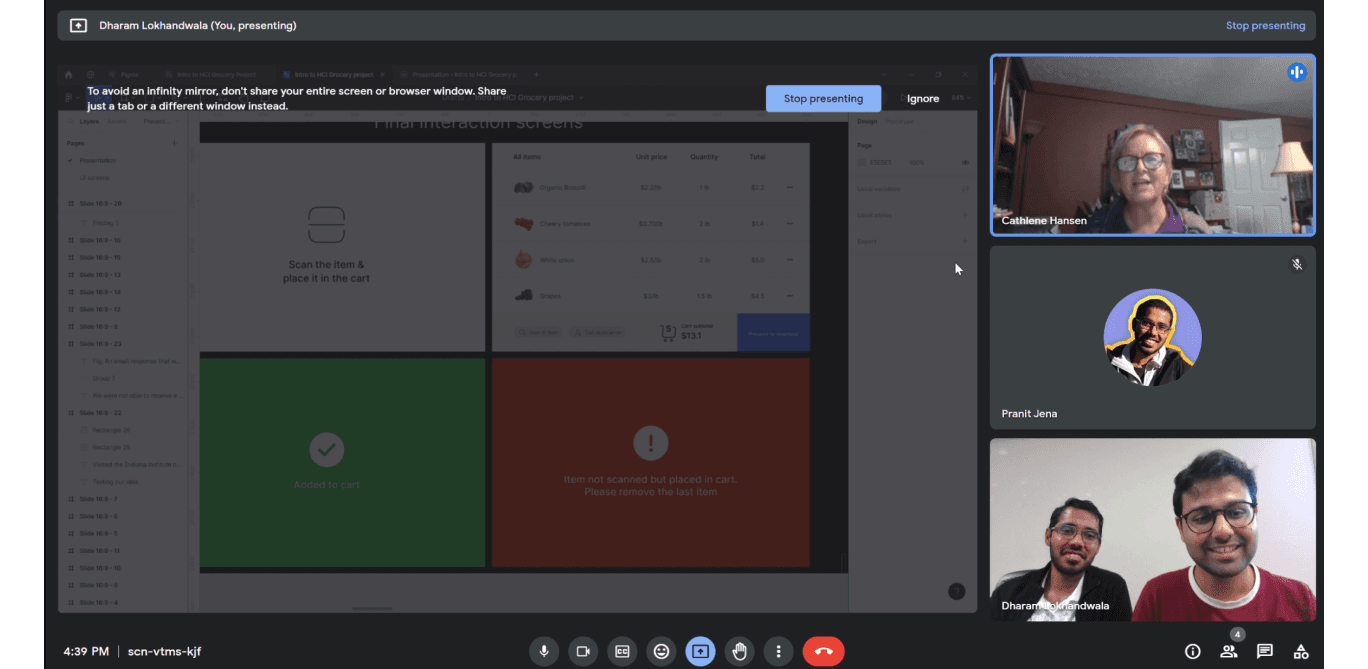
To find volunteers for our concept test, we went to the Indiana Institute on Disability and Community.

Fig: Visit to Indiana Institute on Disability and Community


The mother of a 28-year-old person with cerebral palsy contacted us to offer her time to test our idea.

Fig: Explaining our ideas and noting the feedback from her


Her insightful comments about our proposal

How will I improve this concept in coming future?

  1. Lightweight & sustainable materials for manufacturing

  2. Power assist mechanism


Personal Reflection

Through this design journey, I discovered the immense benefits of developing shopping carts specifically tailored to the needs of individuals with disabilities. Our designs promise to foster a more inclusive shopping experience, allowing everyone to shop with dignity, independence, and joy. This endeavor has brought us a step closer to fulfilling our purpose of making a meaningful difference in the lives of others.

Other projects

Copyright 2024 by Pranit Jena

Copyright 2024 by Pranit Jena

Copyright 2024 by Pranit Jena